
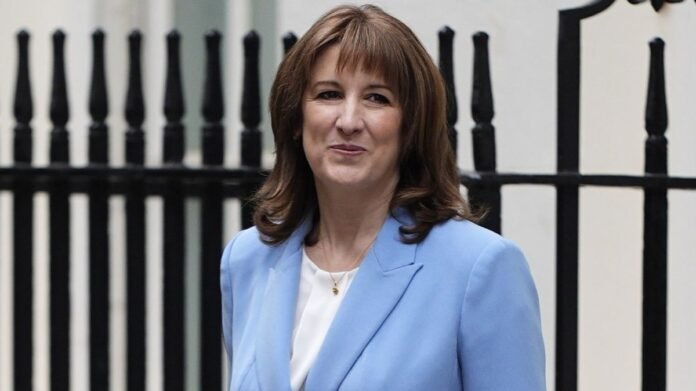
Chancellor Rachel Reeves presented the Spring Statement in Parliament today, focusing on potential tax adjustments. Currently, personal tax thresholds are frozen until the end of the 2030/31 financial year, contrary to the initial plan of unfreezing in April 2028.
Last November, during the Budget announcement, the Chancellor extended the freeze by an additional three years. The Office for Budget Responsibility estimated that this freeze would lead to more individuals falling into higher tax brackets by 2029/30.
The decision to maintain the frozen tax thresholds, often referred to as fiscal drag, is seen as a way to subtly increase tax revenue without explicitly raising tax rates. Despite expectations, no new changes to tax thresholds were disclosed in today’s Spring Statement. Therefore, the freeze on tax thresholds remains in place until the end of the 2030/31 tax year.
The current personal allowance stands at £12,570, marking the threshold before income tax obligations kick in. Earnings exceeding this amount are subject to the basic 20% income tax rate. The 40% rate applies to incomes over £50,270, while the 45% rate applies to earnings surpassing £125,140.
Regarding National Insurance contributions, the threshold for contributions commences at £12,570. Individuals pay 8% in National Insurance on earnings from £12,570, followed by a 2% rate on income exceeding £50,270.
For personalized news, select Daily Mirror as your ‘Preferred Source’ on Google News.