
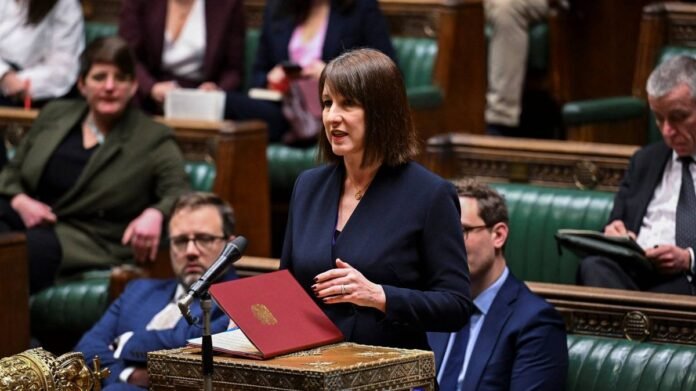
Rachel Reeves is reportedly planning to increase taxes in the upcoming Budget to secure £53 billion in additional funding for the NHS. The Chancellor is said to be determined to protect the boost for the health service “at all costs.” Despite previous commitments, Defence Secretary John Healey of the Labour Party declined to confirm they would uphold the manifesto pledge of no income tax or VAT hikes.
Acknowledging the impact of recent economic downturns, Reeves is considering raising the basic income tax rate, potentially the first increase since 1975. Additionally, she is contemplating adjustments to council tax bands, particularly targeting higher rates for expensive properties to boost revenue.
Reports suggest that the Chancellor’s primary objectives are to reduce NHS waiting lists and national debt. Reeves aims to secure a 2.8% annual budget increase for the NHS, which she is adamant about maintaining. However, a setback occurred when the Office for Budget Responsibility downgraded the UK’s productivity levels by 0.3%, leading to a projected £20 billion rise in public borrowing without tax hikes.
Healey emphasized that decisions regarding tax adjustments are pending, highlighting the significant economic challenges faced by the government due to years of austerity measures, pandemic impacts, and prolonged economic stagnation.
The Chancellor is confronted with budgetary gaps resulting from increased borrowing costs and persistent inflation, compounded by policy reversals on winter fuel payments and welfare cuts. Additionally, revisions to the controversial two-child benefit limit are expected following pressure from MPs and anti-poverty advocates.
In the previous manifesto, Keir Starmer pledged not to raise VAT, national insurance, or income tax. However, during recent parliamentary questioning, he evaded confirming this stance, indicating that Labour is focused on revitalizing the economy, reducing NHS wait times, and securing a prosperous future for the country.
As the Budget date approaches, the government faces critical decisions on fiscal policy amidst economic uncertainties and competing priorities for public spending.