
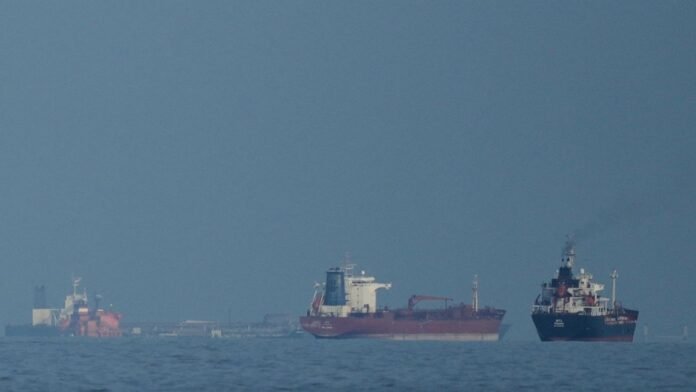
The looming Iran conflict may lead to energy rationing, according to a leading expert. Disruption in the Gulf region, particularly the blockade of the Strait of Hormuz, has severely impacted global oil exports, causing prices to surge to approximately $106 per barrel. Iran’s threats against tankers passing through the strait have raised concerns about prolonged conflict repercussions.
Nick Butler, a former BP executive and advisor to ex-Prime Minister Gordon Brown, cautioned that a significant supply shortage is imminent, potentially necessitating rationing. He emphasized the critical need to safeguard essential sectors like healthcare and food supply amid potential supply constraints. Additionally, he highlighted the importance of exploring new oil fields in the North Sea to mitigate the crisis.
The possibility of a global oil shortage triggering international competition for resources was also highlighted by Prof Butler. The European Union’s heavy reliance on oil and gas imports, coupled with the UK’s substantial dependency on external sources, could exacerbate the situation.
In response to questions about potential rationing, Prime Minister Keir Starmer assured that measures are being taken to ensure adequate energy supply. Meanwhile, the escalating oil prices have led to a rapid increase in fuel costs for motorists, prompting government warnings against profiteering.
The conflict’s fallout has also affected the mortgage market, with interest rates on two-year fixed mortgages rising from 5.10% to 5.20%, and five-year fixed rates climbing from 5.19% to 5.25%. The number of available mortgage deals has decreased, dropping below 7,000 to 6,972, impacting new borrowers seeking home loans.