
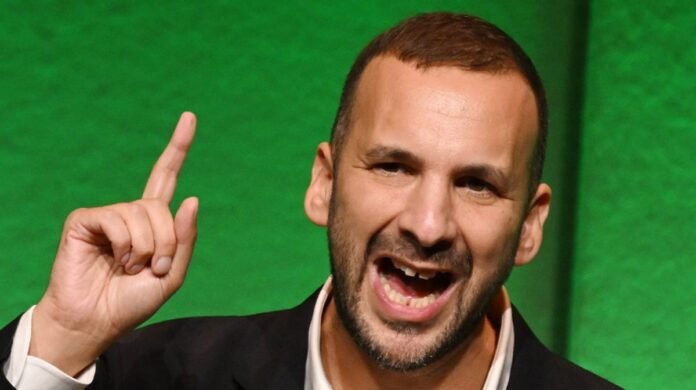
The Green Party’s new leader, Zack Polanski, presents a stark contrast to Nigel Farage, as described by pundits. Polanski, a charismatic left-wing figure known as an “eco-populist,” openly criticizes Farage, labeling him a “fascist” and pledging to thwart his right-wing agenda. Despite their ideological differences, recent surveys indicate that both the Greens and Reform UK have gained traction, leveraging social media effectively to engage disenchanted voters.
In a recent focus group organized by More in Common (MIC), a voter expressed admiration for both Polanski and Farage, highlighting the appeal of their unconventional approaches that transcend traditional political divides. Polling expert Luke Tryl noted a growing anti-establishment sentiment bridging the gap between left and right ideologies. Polanski’s accessibility and unscripted interactions with the public have resonated, contrasting with the highly managed image of mainstream political parties over the years.
Recent polls have shown the Greens surpassing other major parties at 17%, trailing only behind Reform at 32%. This surge has unsettled established parties, particularly Labour, which faces the challenge of regaining public trust after years of Conservative rule. The rise of non-traditional parties reflects a shift in voter preferences, with many seeking alternatives to the conventional political system.
The success of the Greens and Reform is attributed not only to anti-establishment sentiments but also to their adept use of social media. By crafting concise and engaging content, these parties have captured the attention of a diverse audience. Polanski’s focus on progressive issues like climate change has resonated with younger demographics and urban activists, potentially reshaping the political landscape in cities like London, Bristol, Sheffield, and Manchester.
Polanski, who assumed leadership in September, aims to push Labour towards a more progressive agenda, emphasizing the need for a government that prioritizes public welfare. However, balancing progressive ideals with addressing conservative concerns, such as migration, poses a complex challenge for Labour. Strategic voting patterns suggest that some disillusioned voters may consider returning to Labour to prevent Farage from gaining power, underscoring the importance of offering a compelling and inclusive political platform.
Overall, the evolving political landscape underscores the need for parties to adapt to changing voter preferences and effectively communicate their vision for a fairer, more inclusive society. As the competition intensifies, parties must navigate the intricate balance between addressing societal issues and appealing to a diverse electorate to secure their place in the political arena.