
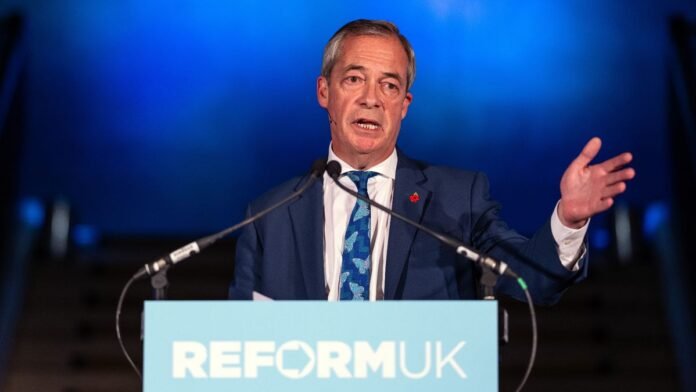
Nigel Farage’s proposed strategies for small enterprises have been criticized as catastrophic. During a recent address, the leader of Reform UK introduced a new panel to offer counsel on the party’s small business policies.
The Clacton Member of Parliament accused the Government of favoring large corporations and emphasized his desire to advocate for small businesses. Despite earning £1 million from additional roles post-election, including serving as an ambassador for a prominent Gold dealer, Farage remains committed to championing small enterprises.
However, the Labour Party denounced Farage’s plans as detrimental to small businesses, expressing concerns about potential negative impacts. They highlighted potential consequences such as increased red tape due to Brexit uncertainties and job losses in the clean energy sector.
Farage, in response to criticisms, called for significant cuts in spending and was previously accused of endorsing austerity measures. He also voiced opposition to potential tax hikes on gambling, citing potential repercussions on local businesses.
Emphasizing his commitment to small businesses, Farage launched an initiative called ‘Small Business for Reform.’ He pledged to form a board to devise favorable policies that promote entrepreneurship and startup ventures.
Addressing the challenges faced by small business owners, Farage highlighted the burdensome regulatory environment post-Brexit and underscored the need for a more supportive business landscape.
Farage’s remarks touched on various topics, including criticisms of the BBC’s coverage and his interactions with former U.S. President Donald Trump. He also acknowledged the support received from donors, including a substantial contribution from Lord Bamford.
The press conference scheduled for today will focus on Reform UK’s alignment with small business interests, with plans to establish a dedicated group to advocate for these enterprises. Farage’s ongoing efforts to champion small businesses and his critique of governmental policies favoring large corporations remain central to his agenda.