
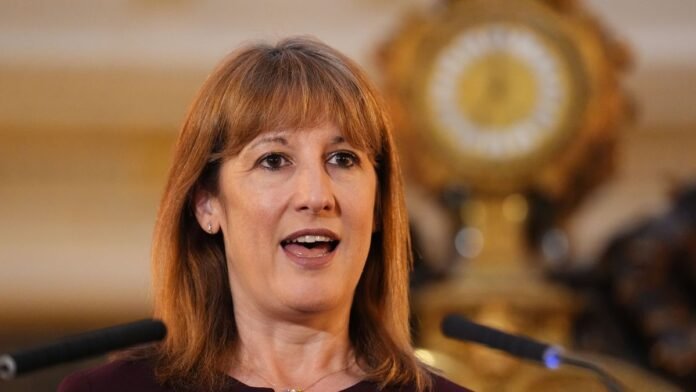
Calls have been made for Rachel Reeves to focus on the wealthiest individuals in the upcoming Budget, following a report that highlights a significant increase in the wealth gap between the richest and poorest segments of society.
According to researchers, escalating wealth inequality poses serious risks to society, including social unrest, environmental challenges, economic slowdown, and potential erosion of democratic values.
The Fairness Foundation’s recent study revealed a 54% surge in the ‘wealth gap’ between the top 10% and bottom 10% of UK residents from 2011 to 2021, largely driven by the appreciation of assets like real estate.
Inheritances and gifts have doubled over the last twenty years to reach £100 billion, with projections indicating a further doubling by 2040. The wealthiest 10% of households consistently hold more than half of the total wealth.
Conversely, the poorest 10% of households have a combined net worth, including assets like work pensions, vehicles, and household possessions, of £15,400 or lower.
Will Snell, representing the Fairness Foundation, emphasized the urgent need for action to curb growing inequality, suggesting that taxing wealth more effectively and redistributing it across the economy could help address the widening wealth gap and rebuild societal cohesion.
As discussions swirl around potential tax increases and expenditure cuts in the upcoming Budget, the Chancellor is contemplating measures to shore up against future economic uncertainties, with experts estimating a £22 billion deficit that needs to be addressed.
Rachel Reeves has hinted at targeting the most affluent individuals in the Budget, stressing the importance of fair contributions from those who can afford it. However, she is reportedly hesitant about implementing a specific wealth tax.
During a visit to Saudi Arabia, she highlighted the significance of economic growth in the Budget strategy and the need for a balanced approach to taxation and spending to ensure resilience against future economic shocks while adhering to fiscal regulations.
The Labour Party had pledged to shield working individuals from increases in national insurance, VAT, and income tax in their manifesto, raising speculation on whether Rachel Reeves might face pressure to reconsider this commitment.
While not ruling out a potential income tax adjustment, Reeves affirmed her commitment to supporting the working population by striving to keep tax burdens at a minimum.
Opt for Daily Mirror as a ‘Preferred Source’ on Google News for rapid access to the latest news.
At Reach and across our entities , we and our partners utilize data from your device to enhance site experience, analyze usage, and display personalized ads. You can manage your data preferences anytime by clicking the “Do Not Sell or Share my Data” button at the bottom of the webpage. By using our website and services, you agree to our use of <a data-testid="cip