
Victims of significant institutional injustices in the UK have come together to urge government officials not to dismantle crucial human rights safeguards. Families impacted by the Grenfell, Hillsborough, infected blood, Windrush scandals, and Covid bereavement advocates have jointly penned a compelling letter emphasizing the essential role of the European Convention on Human Rights (ECHR) in today’s climate. Their message highlights the Convention as a crucial tool in uncovering state cover-ups and failures, providing a platform for seeking accountability and justice.
The collective emphasized that without the protections afforded by the ECHR, their fights would have been more arduous and isolated. They stressed that the Convention doesn’t guarantee justice outright but offers the potential for it, enabling them to demand answers, push for accountability, and challenge authority when necessary. They cautioned against the repercussions of withdrawing from the ECHR, citing its historical significance and its relevance amidst contemporary global uncertainties and authoritarian trends.
Signatories to the letter include prominent groups like Grenfell United, Covid-19 Bereaved Families for Justice, the Tainted Blood Campaign, Justice4Windrush, and legal advocates such as Elkan Abrahamson and Imran Khan KC. Several organizations, including INQUEST, Reclaim These Streets, Police Spies out of Lives, and the Centre for Military Justice, have also endorsed the message.
Amnesty UK’s Legal Protection for Human Rights Campaign Manager, Tom Morrison, emphasized the significance of these collective voices, urging political leaders to heed their unified stance. He underscored the critical role the ECHR plays in enabling individuals to seek justice when failed by institutions, cautioning that weakening such protections could silence those most in need and erode their ability to seek justice on equal terms.
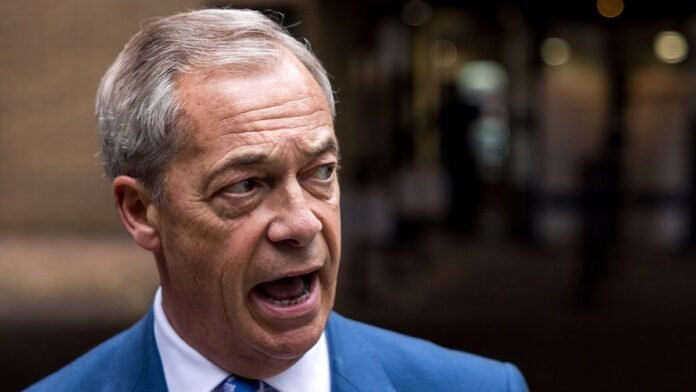
While Reform UK and the Conservative Party have expressed intentions to withdraw from the ECHR, citing border protection concerns, opposition leader Keir Starmer has advocated for a reassessment of the ECHR’s interpretation by UK courts without endorsing withdrawal. In a recent parliamentary vote, Nigel Farage’s proposal to leave the ECHR was defeated, with critics accusing him of prioritizing political gain over the nation’s interests.
Opponents of ECHR withdrawal, including Sir Ed Davey, argue that the Convention empowers individuals to hold authorities accountable and seek justice in the face of abuses of power and cover-ups. They caution that aligning with such reforms could embolden authoritarian regimes globally, emphasizing the broader implications beyond domestic policy changes.
In his defense, Farage highlighted growing public discontent and argued for greater national control over immigration policies, criticizing the influence of non-legally qualified judges in Strasbourg and asserting the need for British legal autonomy.