
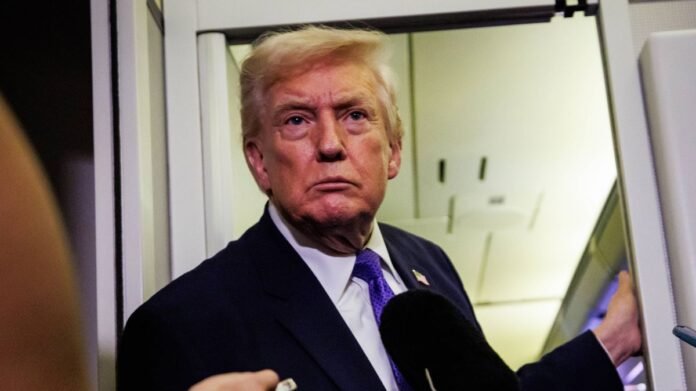
Amid President Donald Trump’s wavering stance on justifying military action against Iran, regular households are feeling the financial strain. Regardless of one’s opinion on the actions of the US President and Israel, the impact is evident on people’s already tight budgets. The ongoing situation has notably affected fuel prices, with drivers experiencing a significant increase in costs at the pump.
Unleaded fuel prices have surged, resulting in an additional £2.70 to fill up a standard car since the onset of the conflict. Diesel prices have also risen by £4.85 per fill-up. Experts warn of further spikes in oil prices, potentially pushing petrol prices to nearly 150p per litre and diesel towards 180p. This could mean an extra cost of nearly £9.50 for petrol and £100 for diesel per fill-up compared to pre-war levels.
Moreover, Trump’s actions have impacted mortgage rates, halting a projected Bank of England rate cut. The focus now shifts to potential rate hikes by central banks to manage potential inflation spikes. While existing mortgage customers may not feel the immediate effects, new borrowers or those remortgaging are facing increased monthly payments. The withdrawal of affordable fixed-rate mortgage deals has added around £20 per month for borrowers, potentially rising to £45 per month soon.
Beyond fuel and mortgage costs, other expenses are also on the rise, hinting at a return to high prices. The escalation of wholesale energy prices could lead to increased gas and electricity costs. Despite temporary protections from price hikes until July, discussions are already underway on potential future increases.
The impact of these developments extends to consumers’ overall cost of living, with concerns over inflation reaching 5% and the looming risk of a recession. The uncertainty surrounding the conflict’s duration and outcomes underscores the significant economic and political implications that could persist for years. As voters prepare for upcoming elections, the financial repercussions of recent events, driven by Trump’s decisions, are poised to shape public sentiment and policy decisions in the long run.