
Donald Trump played a role in finalizing the Gaza ceasefire agreement, contributing to its success. Despite Hamas’s partial non-compliance, the outlook for the Middle East region appears more positive than a week ago. Factors such as US pressure on Netanyahu and direct talks with Hamas, led by Trump, played a significant part in achieving the deal.
While acknowledging Trump’s involvement in the ceasefire, concerns arise over his other actions with potential negative global impacts. Trump’s admiration for authoritarian leaders internationally reflects his desire to emulate them domestically. His comments praising Egypt’s crime control methods and authoritarian regime contrast starkly with human rights violations in Egypt, including arbitrary detentions and political oppression.
In separate incidents, Trump’s administration made controversial statements. Transport Secretary Sean Duffy labeled American protesters as terrorists, and a “No Kings” rally is planned in Washington DC in response to Trump’s policies. Additionally, Trump’s remarks on moving the US embassy to Jerusalem and questioning the loyalty of donors raised eyebrows, hinting at potential ethical concerns.
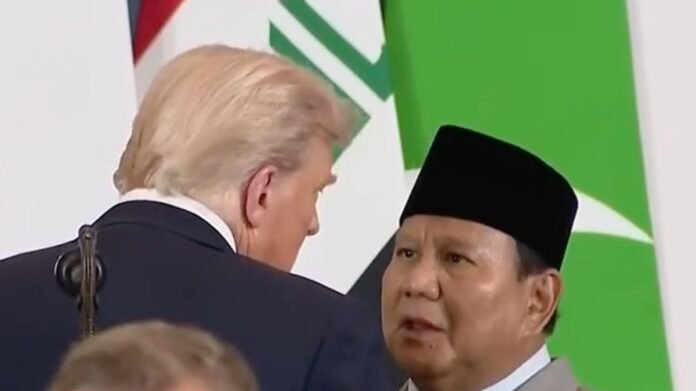
Trump’s behavior at international summits also attracted attention. His interactions with world leaders, including an odd request from Indonesia’s President to meet Trump’s sons, raised questions. Trump’s inappropriate comments towards the Italian PM and his obsession with a Time Magazine cover photo added to the controversial narrative surrounding his presidency.
The evolving political landscape under Trump’s leadership continues to be a subject of global interest. Stay updated with the latest US political news by joining the Mirror’s Politics WhatsApp community for exclusive updates and insights. Discover more about the ongoing political dynamics and stay informed with our dedicated newsletter and video series.