
In Britain, a familiar tactic in media sensationalism has been utilized for four decades – the art of instilling fear by conjuring up images of societal chaos like trash mountains, bread lines, and affluent individuals hastily departing from Heathrow Airport, attributing these scenarios to the policies of the Labour Party in the 1970s. This narrative suggests a return to distressing times under a communist regime.
Contrary to the prevailing narrative, the 1970s hold positive memories for some, characterized by a sense of equality where individuals from working-class backgrounds, including myself, had opportunities to pursue vocational training or obtain a university education without financial burden, fostering a community-oriented ethos.
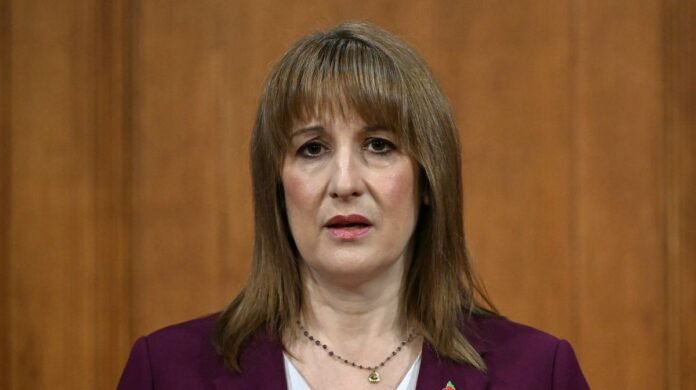
Presently, concerns are raised about the likelihood of Rachel Reeves becoming the first chancellor since Denis Healey in 1975 to raise the basic income tax rate. However, historical context reveals that during Healey’s tenure, the basic tax rate stood at 33%, escalating up to 70% across different income brackets, with a 2% increment imposed. Comparatively, today’s top tax rate is 45%, and a proposed 2p increase by Reeves would only elevate the basic rate to 22%, still lower than the rate when Thatcher’s term ended in 1990 and less burdensome than many other global economies.
Critics argue that such a move would contradict Labour’s manifesto pledge against income tax hikes, potentially impacting their electoral prospects. However, with Labour’s popularity dwindling, the party faces the dilemma of addressing the nation’s significant debt obligations, amounting to £107 billion annually for servicing interest alone. The absence of viable electoral alternatives further complicates the situation, as competing proposals lack practicality or fairness in addressing fiscal challenges.
As the public scrutinizes Labour’s leadership for lacking strategic direction and competence, the onus falls on figures like Rachel Reeves to confront these perceptions directly. Acknowledging the necessity of increased tax contributions, particularly from the affluent segment of society, becomes imperative for sustaining essential public services and a dignified welfare system, even if it means deviating from past promises for the greater good.
In the face of criticism and skepticism, Reeves must embrace transparency and realism in her fiscal policies, prioritizing the nation’s economic well-being over political expediency. Drawing parallels with Healey’s controversial tax-raising decisions of the past, she must prepare to present a Budget that resonates with the harsh economic realities confronting the country, steering away from mere rhetoric towards pragmatic solutions.