
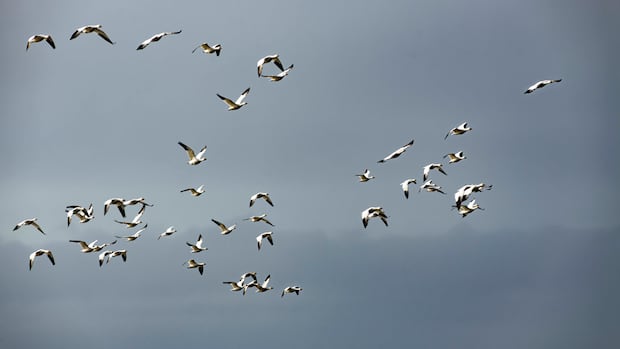
Elizabeth Melnick reports that her wildlife center is inundated with calls about wild birds that are either dying or deceased.
Located in Abbotsford, B.C., Elizabeth’s Wildlife Center highlights that avian flu typically raises concerns as wild birds migrate during the fall season — however, the surge in calls this year is particularly alarming.
“This is the most severe year we’ve faced. Undoubtedly the worst. [Wild birds] are scattered everywhere,” stated Melnick, who founded the center.
The avian flu virus is naturally present among wild birds and waterfowl, spreading through migratory species. Highly pathogenic strains of this virus can lead to significant illness and fatalities among birds, including species like Canadian geese and chickens.
Since 2021, British Columbia has faced the highest impact from highly pathogenic avian flu, with over 10 million domestic birds affected.
As of this fall, the B.C. Poultry Emergency Operations Centre has reported no infections on farms; nevertheless, both the province and farmers are staying vigilant.
Melnick mentions that they receive around 60 calls daily, frequently reporting sightings of dying or dead cackling geese, along with other birds such as snow geese and ducks.
The center provides care for injured, orphaned, and ill wild birds and small mammals.
If a bird is suspected of having avian flu, it is evaluated in a designated quarantined area, after which officials are contacted for humane handling of the bird.

Elizabeth Melnick, the founder of Elizabeth’s Wildlife Center, reports an average of 60 calls daily regarding dead or dying wild birds. (Baneet Braich/CBC)
Melnick explains that while it’s typical to receive calls during this season, the current volume is overwhelming.
<p"There’s no way we can manage it. Additionally, our financial resources have significantly decreased, as we require gowns, gloves, masks, and other supplies," she said.
The Wildlife Rescue Association of B.C. located in Burnaby has also observed an increase in inquiries.
“Our center has seen a substantial rise in calls from the public worried about sick waterfowl they’ve encountered, along with a higher number of sick birds admitted to our facility where avian flu is suspected as the cause,” remarked Jackie McQuillan, the program’s director.
No infections reported on farms thus far
The B.C. Poultry Emergency Operations Centre has confirmed that no infections have been reported on farms, and strict protocols are in place to safeguard domestic birds.
<p"We are maintaining vigilance. We are currently at the highest alert level, referred to as the red biosecurity level," stated Shawn Hall, the center's director.
The Canadian Food Inspection Agency has indicated that there are presently no cases of highly pathogenic avian influenza (HPAI) among domestic birds in B.C.
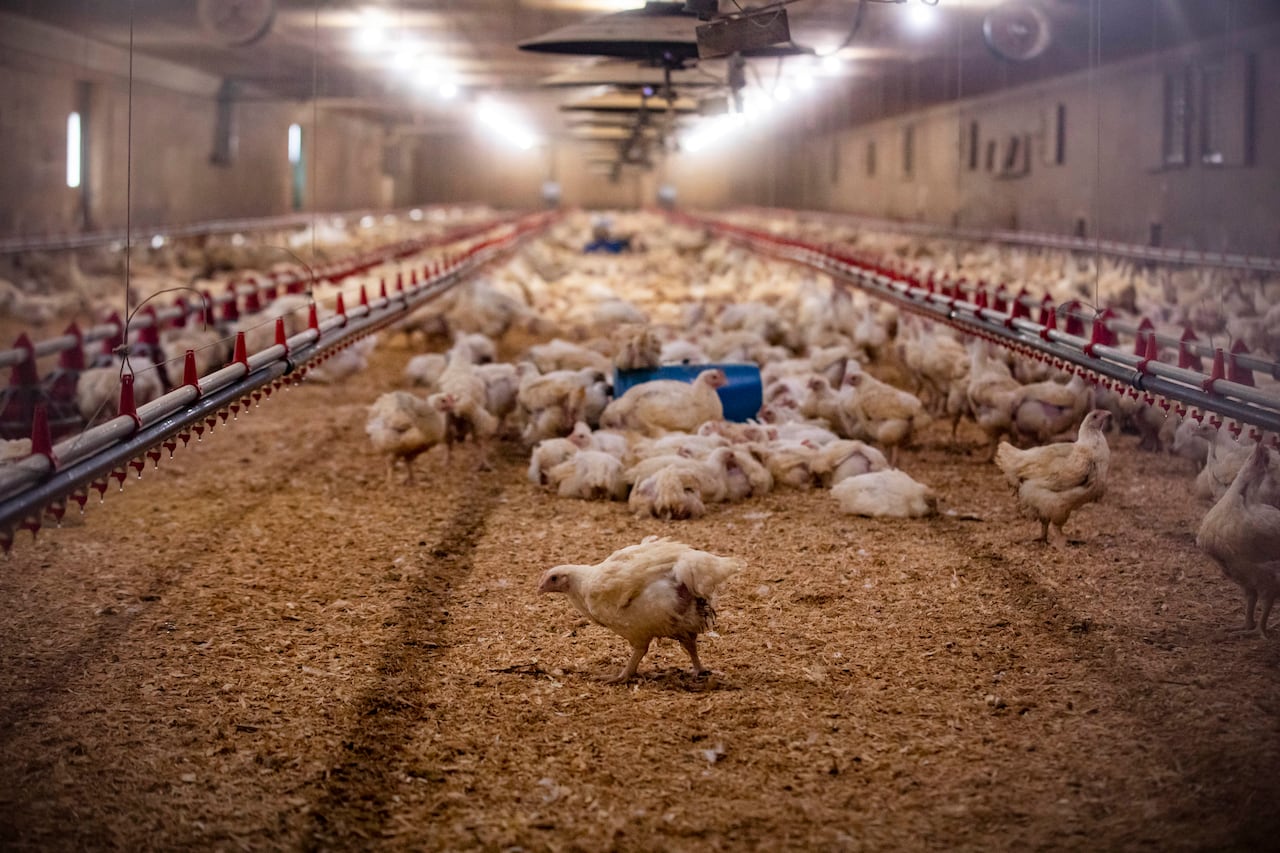
The Canadian Food Inspection Agency confirms that no cases of highly pathogenic avian influenza have been identified in domestic birds in B.C. (Ben Nelms/CBC)
Hall mentions that the province has also enacted an indoor order requiring commercial poultry to be housed indoors to reduce interaction with wild birds.
Additional measures include keeping farm gates closed, restricting entry and exit to only essential vehicles with their tires sanitized, mandating personal protective gear, and improving air filtration systems.
<p"Unfortunately, we have significant experience in managing this virus," Hall added. "We are cautiously hopeful that these measures collectively help mitigate risks for farmers."
Migrations arriving ‘quite late’ than anticipated, according to veterinarian
B.C.’s deputy chief veterinarian observes that wild birds are arriving later than expected this year.
Dr. Chelsea Himsworth suggests that this delay may be attributed to the El Niño weather phenomenon, which causes warmer conditions in the north and subsequently postpones migration.
-
Farmers in B.C.’s Fraser Valley test new tech to ward off avian flu
-
This year will be a super-duper El Niño. Here’s what Canadians can expect this winter
“We’re noticing a decrease in the number of birds on the landscape, as well as fewer sick and deceased birds reported to the program compared to last year at this time,” said Himsworth.
“Whether this indicates a lower incidence rate or merely a delay in cases remains to be seen.”
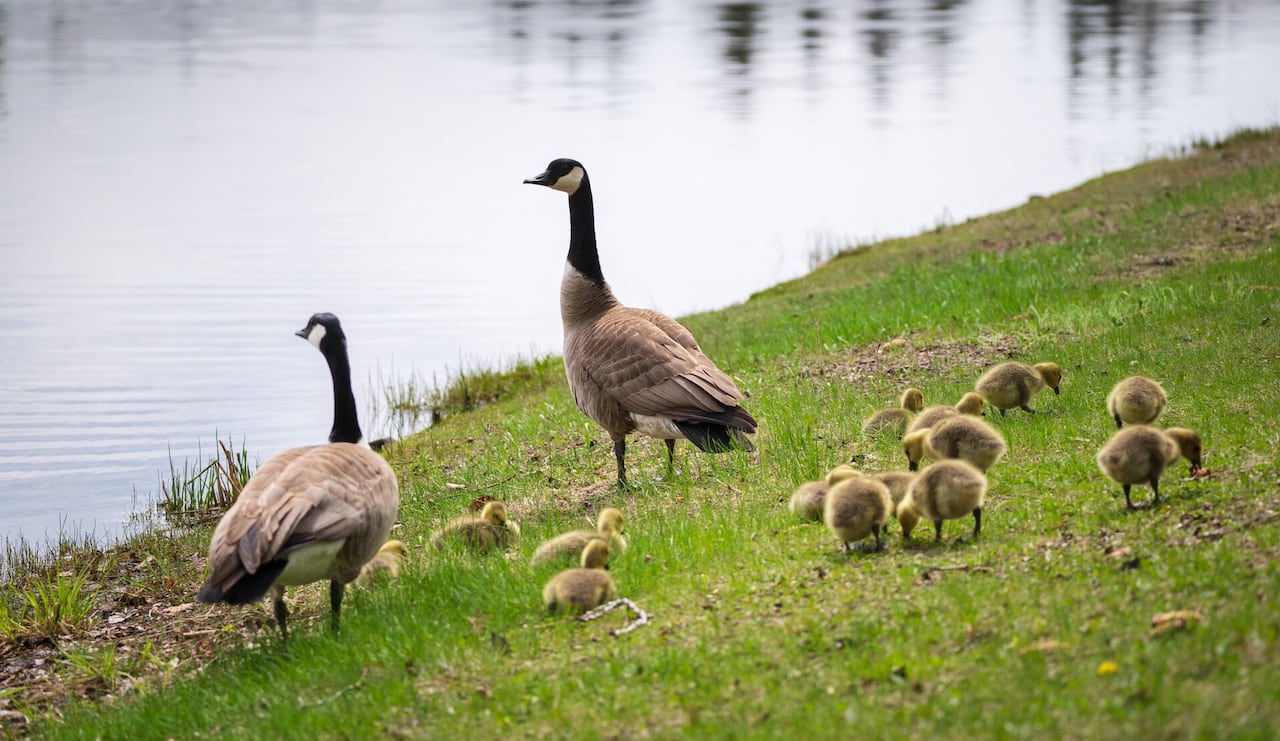
The province is urging the public to report any sightings of dead birds. (Manuel Carrillos Avalos/CBC/Radio-Canada)
Provincial authorities are actively monitoring avian flu using various methods, such as testing deceased wild birds and sampling feces and sediment from specific wetlands to aid in early detection of the virus, according to Himsworth.
The public is advised to refrain from touching any dead birds they come across and to report such findings to the wild avian mortality investigation hotline.