
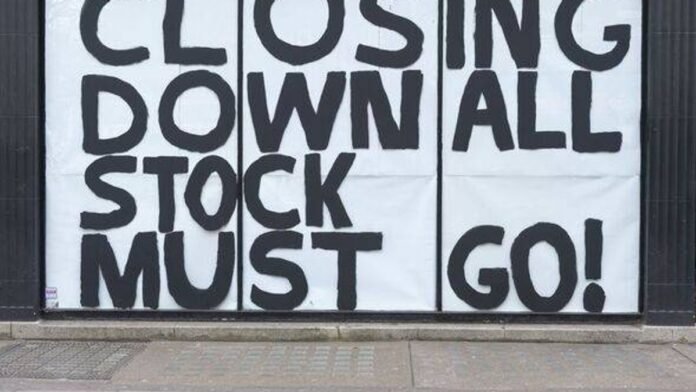
More than 40% of retail stores are planning to reduce their workforce, in addition to the 250,000 high street jobs lost in the past five years, according to industry research conducted by the British Retail Consortium. The survey found that businesses are considering cutting staff, reducing work hours, and putting a freeze on new hires due to increasing employment costs. This negative outlook is attributed to higher national insurance costs for employers, which came into effect in April last year, along with a rise in the national living wage for low-wage workers.
A survey of chief financial officers and finance directors in the retail sector revealed a significant increase in pessimism, with 69% expressing a negative outlook compared to 56% in the previous year. Only 14% of respondents were optimistic about the future. The top concerns for the upcoming year included labor and employment costs, with 84% ranking it as a major worry, a substantial increase from the previous year. Many businesses are planning to reduce staff hours, freeze recruitment, and cut head office and store staff numbers.
Despite retail being the largest private sector employer in the country, it has seen a decline in job numbers, shedding 74,000 jobs in the past year and over 250,000 in the last five years. This trend is concerning as it comes on the heels of several well-known retail chains collapsing recently, such as Russell & Bromley and Quiz. The Chief Executive of the British Retail Consortium, Helen Dickinson, highlighted the challenges faced by businesses, including rising costs and government policies impacting the sector.
The retail industry is bracing for more job cuts amid economic fragility, weak wage growth, and increasing unemployment. Dickinson emphasized the importance of government policies that support business needs, warning that failure to address issues such as guaranteed hours and union rights could lead to reduced flexibility and job opportunities, particularly for entry-level and part-time roles.