
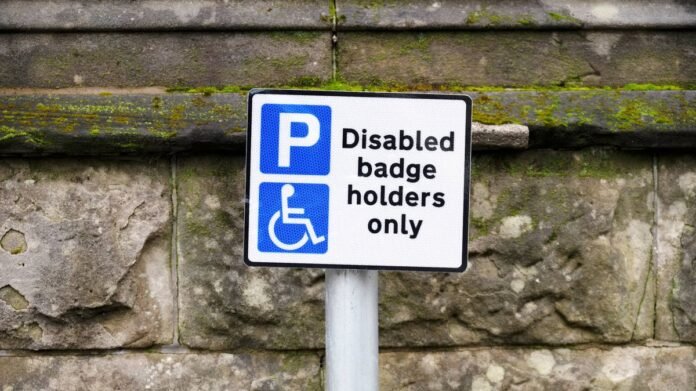
People who have disabilities or health conditions affecting their mobility, including hidden illnesses like dementia or Parkinson’s, may qualify for a Blue Badge. This badge allows individuals to park closer to their destinations.
Blue Badge holders, whether they are driving or passengers, can park for free in designated disabled parking spots and may be exempt from certain parking regulations. This exemption could extend to parking in areas where non-badge holders are restricted, such as on-street metered spaces and sometimes over yellow lines.
However, it is important to understand that Blue Badge holders cannot park in certain locations at any time, as this could lead to fines or penalties.
According to the Daily Record, there are typically 11 key places where badge holders are restricted from parking. Nevertheless, there are four common examples of parking locations accessible to badge holders.
Individuals aged three and above automatically qualify for a Blue Badge if they meet specific criteria. Additionally, those dealing with certain health conditions may also be eligible for a Blue Badge.
Residents of England, Scotland, and Wales can apply for a Blue Badge on the Government’s website, while those in Northern Ireland must follow a separate process via Ni Direct.
The cost of Blue Badges can be up to £10 in England and up to £20 in Scotland, but they are provided free of charge in Wales. Each badge typically remains valid for up to three years.
For more information, please visit the Government’s website.