
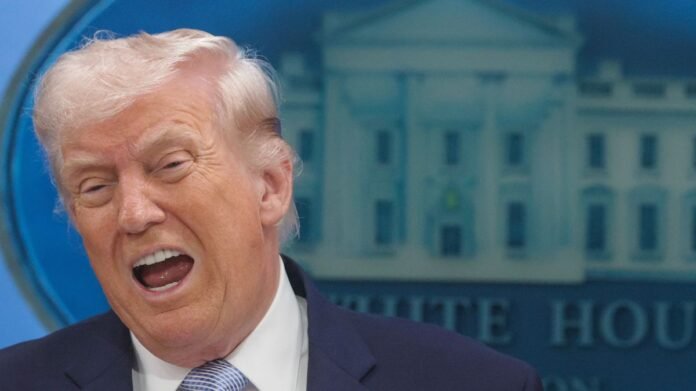
Oil prices took a sharp dive following Donald Trump’s announcement of a two-week ceasefire with Iran. Brent crude oil plummeted by 14.3% to $93.6 a barrel as the reopening of the critical Strait of Hormuz was confirmed, through which about 20% of the world’s oil flows.
The disruption had caused a spike in global oil prices, subsequently leading to increased petrol and diesel expenses. In response to the ceasefire news, global stock markets experienced a rebound with London’s FTSE 100 index surging by up to 2.6% at the opening of trading. Simultaneously, the FTSE 250 index climbed by 3.75%, while major Asian indexes like Japan’s Nikkei 225 and South Korea’s Kospi saw gains exceeding 5%.
Donald Trump, aged 79, agreed to the temporary ceasefire to facilitate ongoing discussions, a shift from his previous threat to obliterate the Iranian civilization. Despite this decision, Iran state television ridiculed the world leader following the announcement.
Concerns had been mounting over the cost of living, particularly regarding oil and petrol prices, since the conflict began. Data from the RAC revealed a 30% increase in the average price of a liter of diesel at UK forecourts, reaching 185.2p since the onset of the war.
The surge in fuel prices has significantly impacted motorists like James Airey, a 39-year-old landscaping business owner in Watford, Hertfordshire. He expressed the challenges he faces due to the rising costs, affecting his ability to sustain his business operations.
Analysts anticipate a potential decline in fuel prices in the near future following the ceasefire agreement between the US and Iran. Nigel Green, the chief executive of financial advisory firm deVere Group, highlighted that while drivers may experience temporary relief from lower petrol and diesel prices, the elevated oil prices continue to influence the broader economy, affecting prices, business expenses, and investment decisions.