
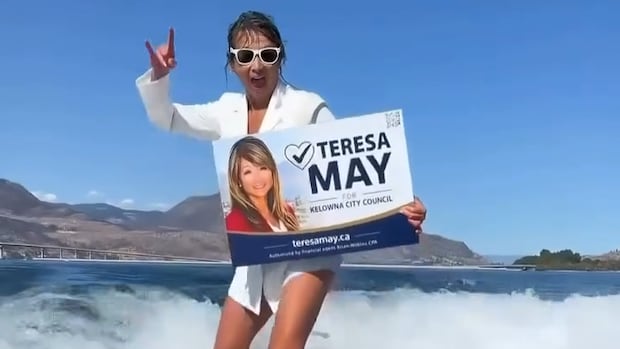
In Kelowna, 37 candidates are vying for eight positions on the city council, with several newcomers opting to use unconventional methods instead of standard campaign tactics like signs, brochures, and door-to-door canvassing to capture the attention of voters.
For Brady Rogers, humor is his main strategy.
The 33-year-old engineer and business owner has centered his campaign around intentionally self-deprecating humor, utilizing deadpan signage and social media to distinguish himself in a competitive race.
Rogers explained that the goal is to bring some enjoyment to what can often be a monotonous segment of any electoral campaign.
He believes that the messaging reflects his true self rather than being a calculated tactic.
“I strive to be authentic and open in all my endeavors, whether managing my business or running for office,” stated Rogers.
“Whether people appreciate me or dislike me, it prompts them to question my motivations, thoughts, and plans.”
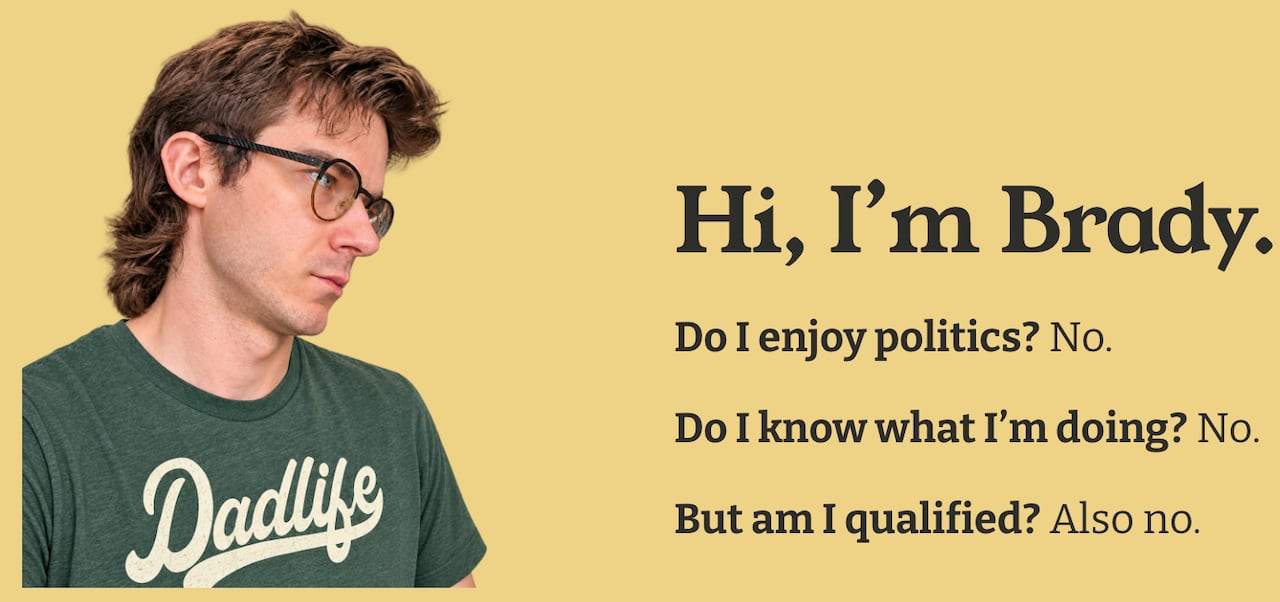
A screenshot from Brady Rogers’ campaign website. The candidate has turned to self-deprecating humour as a part of his bid to break through in a crowded municipal election race. (Brady Rogers)
His innovative approach has gained attention that extends beyond Kelowna.
Rogers mentioned that images of his campaign signage recently went viral in the United States, racking up around two million views, with overwhelmingly positive feedback.
However, he acknowledges that incorporating humor into a political campaign carries certain risks.
“I might have undermined my own seriousness a bit,” he admitted.
Wake-surfing wake-up
Another first-time candidate, Teresa May, is also striving to make her mark amid the campaign noise, albeit through a blend of conventional voter outreach and striking videos.
Having been a wake-surfing enthusiast for over ten years, the entrepreneur and community advocate said her children inspired her to merge her passion with her campaign efforts.
This has led to a series of popular Instagram videos showcasing May wakeboarding on Okanagan Lake in high heels while brandishing campaign signs.
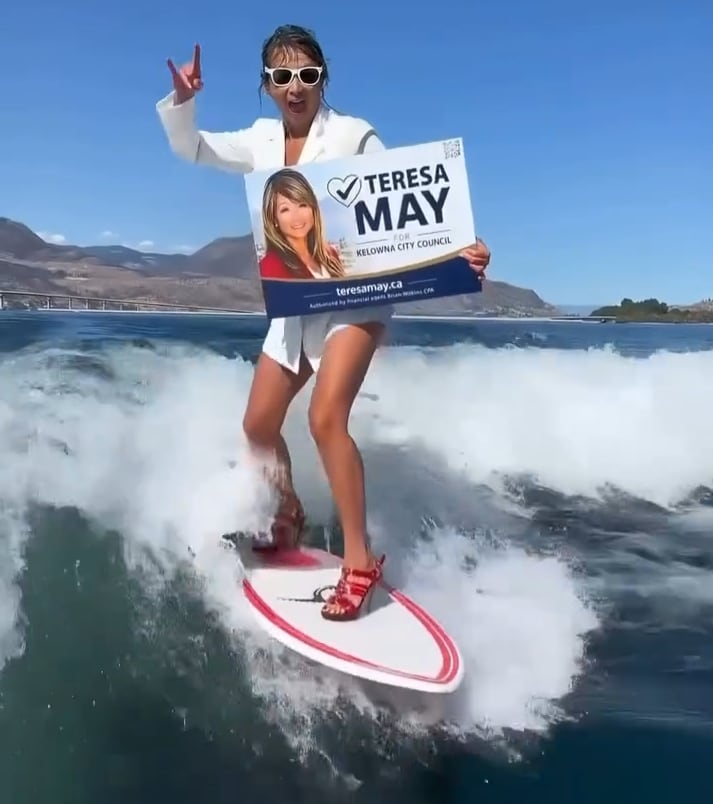
Teresa May wake-surfs on Okanagan Lake in a campaign video. (Teresa May/Instagram)
May emphasized her goal of attracting younger voters “by doing something enjoyable and eye-catching.”
“It’s simply a method for increasing visibility for my name and signs,” she noted.
“I’m not creating a multitude of signs. How can I ensure my signs are seen by potentially 500,000 people?”
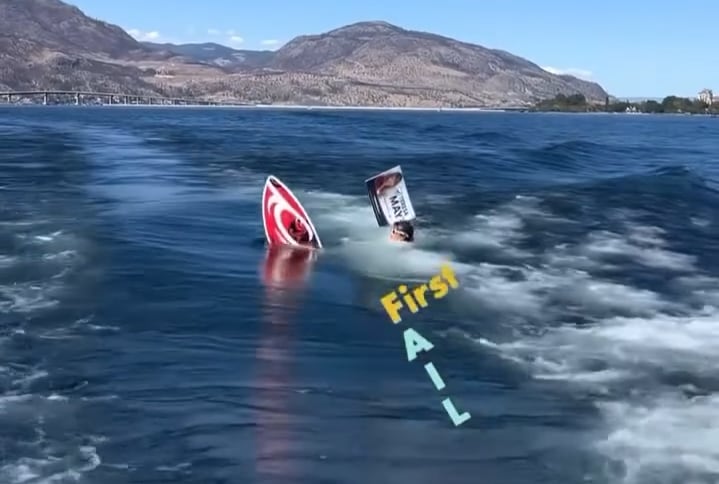
May has also shared behind-the-scenes footage of her early attempts at the wakeboard stunt. (Teresa May/Instagram)
Similar to Rogers, May considers her strategy as a means to break the ice, sparking interest before guiding potential voters to her website and policy details.
“I’ve heard from other candidates in various areas saying, ‘I need to step up my game,'” she shared.
‘My human’ touch
In West Kelowna, a candidate running for re-election has called upon a furry companion for assistance.
Garrett Millsap’s campaign signs feature his 10-year-old Beaglier, Cooper, alongside the slogan “re-elect my human.”
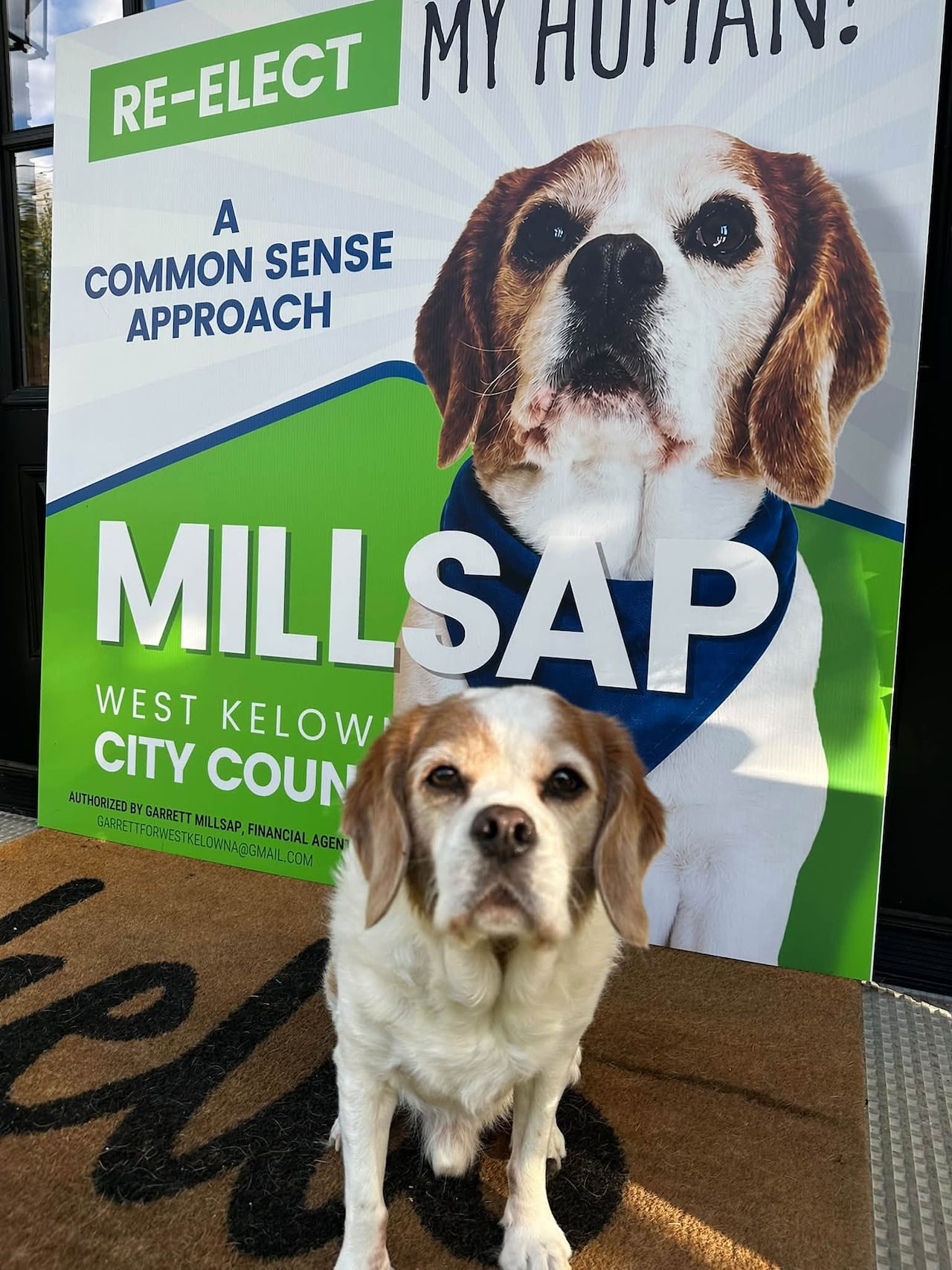
Garrett Millsap’s dog Cooper standing in front of one of his election signs. (Garrett Millsap/Facebook)
Millsap has been encouraging his followers to take selfies with the sign.
“Election signage doesn’t have to be dull; I love that these will bring a smile to people’s faces during their morning commute,” Millsap posted on Facebook.
Why unconventional campaigns can work
David Black, an associate professor at the School of Communication and Culture at Royal Roads University, noted that unconventional campaign strategies are not a recent phenomenon, but social media has enabled candidates to explore new avenues.
“It’s beneficial for our political landscape, as it helps mitigate the issue of ‘message discipline’ where everything is overly controlled,” he stated.
“It allows campaigns, even those from well-known candidates and parties, to appear fresh, unique, and a bit irreverent.”
Black pointed out that municipal candidates face a greater challenge: the necessity to carve out their own identity apart from formal party affiliations, ideologies, and structures.
“Each candidate is essentially their own brand, their own political entity,” he explained.
“They must lead with their personality in what is a highly cluttered and competitive environment.”
Nevertheless, he cautioned that unconventional campaigns must be approached thoughtfully.
While humor can capture interest, it may also backfire if voters perceive the approach as a sign of insincerity regarding public office.
“In a way, all publicity is good publicity,” the professor remarked.
“However, getting it right can be quite challenging.”