
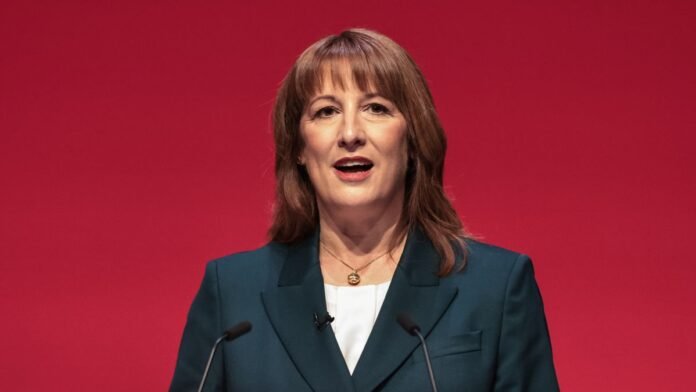
Rachel Reeves is gearing up to introduce a £2 billion tax measure aimed at affluent individuals to generate additional revenue for public spending. This move is expected to address a substantial budget shortfall left by the previous government.
The plan involves implementing a new levy on individuals utilizing limited liability partnerships, a common practice among professionals like lawyers, doctors, and accountants, allowing them to avoid employers’ national insurance contributions by being classified as self-employed. Reeves argues that this system is inequitable and plans to unveil the adjustment during the upcoming Budget announcement.
The proposed changes are part of a broader strategy to target the wealthier segments of society, with the Chancellor emphasizing the importance of equitable tax contributions. Additionally, Reeves is anticipated to introduce a “mansion tax” that would impose capital gains tax on high-value property sales.
The economic outlook, influenced by Brexit and austerity measures, has necessitated these fiscal adjustments. Forecasts indicate a potential downgrade in Britain’s growth prospects, raising concerns about the government’s ability to maintain its tax policies as promised.
In response to the proposal, economist Stuart Adam raised questions about the preferential treatment given to certain partnerships, highlighting potential disincentives to work and the need for a comprehensive review of taxation policies for self-employed individuals.