
As the ongoing conflict in the Middle East persists without clear solutions, I have been making appearances in various news studios discussing the recent price hikes and how these developments could impact your financial situation.
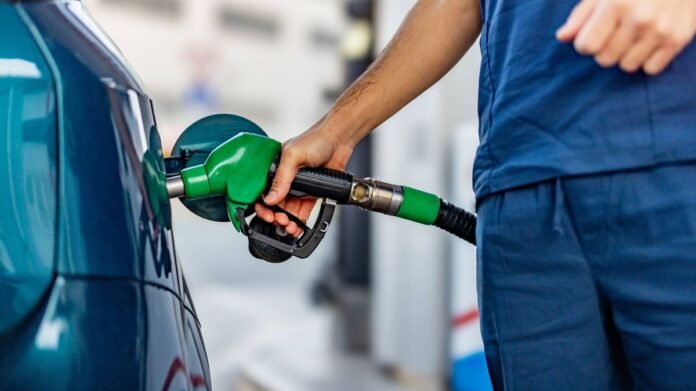
The escalation in fuel prices has been a hot topic since the conflict began, leading to sporadic rushes at gas stations as individuals hurried to fill up their tanks.
Amidst these concerns, it’s natural to wonder about the future implications and how this turmoil may affect you financially. In this article, I will address these questions and provide a range of practical tips to help you reduce your fuel expenses.
Historically, during times of war or instability, prices across various sectors such as energy, fuel, food, and interest rates tend to surge. We have witnessed significant spikes in fuel costs previously during the pandemic and the conflict in Ukraine.
The complexity of the current Middle East conflict is compounded by the fact that many key oil and gas producers are located within the heart of the turmoil, facing attacks. Approximately one-fifth of the world’s oil and seaborne gas passes through the highly disputed Strait of Hormuz, exacerbating the likelihood of increased fuel prices, even if the conflict is swiftly resolved.
The repercussions of heightened fuel costs extend beyond just drivers. The impact ripples through various sectors, affecting transportation services from taxis to airlines, with some cost escalations taking time to materialize.
Even if you are not a driver, the impact of rising fuel prices can lead to overall cost increases that will impact your financial well-being. Transport services, including taxis and airlines, will be affected, although such cost adjustments may take some time to manifest.
If you have an existing flight reservation, the price should remain unchanged. However, future bookings may come at a steeper cost due to the prevailing circumstances.
The influx of essential goods into the UK is expected to become more expensive due to a combination of rising fuel prices, increased insurance and liability expenses for shipping companies, and a surge in demand.
In the UK, fuel suppliers typically follow a well-established process for securing fuel at fixed prices and possess the capacity for storage. However, as the industry reverts to renegotiating deals on the open market, prices are susceptible to increases.
The concerns over escalating fuel prices are not only a worry for individuals managing their finances but also hold significant weight for governments worldwide, influencing policies and possibly becoming a decisive factor for elections.
Recent announcements from the International Energy Agency (IEA) regarding the release of 400 million barrels of oil aim to assist nations in curbing prices. Despite this substantial release, concerns persist over shipping in the Strait of Hormuz, keeping prices elevated.
Further initiatives and announcements are anticipated to stabilize the markets, although prolonged conflict is likely to sustain higher prices. The duration of these price escalations remains uncertain.
Considering the anticipated rise in fuel costs, proactive measures can be taken. The government’s new ‘Fuel Finder’ service, initiated following advocacy efforts by consumer rights experts, aims to increase price transparency among petrol suppliers, ensuring real-time updates on prices.
Utilizing comparison apps that leverage this data can help you identify the best fuel deals nearby based on your location. Additionally, signing up for loyalty schemes offered by petrol providers can bring about savings, especially when combined with discounts and vouchers from supermarkets.
Being mindful of the price differentials between local and motorway service stations can help you save on fuel expenses. Strategically planning your drives to avoid rush hours and adopting fuel-efficient driving practices can further optimize your fuel consumption.
Simple actions like decluttering your car, maintaining proper tire pressure, and minimizing drag by removing roof racks can contribute to fuel efficiency. Exploring the viability of electric or hybrid vehicles, which have seen significant price reductions, could be a cost-effective alternative amid prolonged petrol price hikes.