
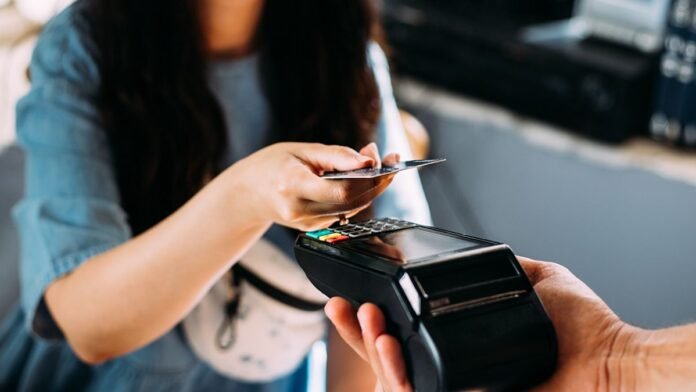
Starting today, a significant change in the way payments are made at checkout counters during shopping trips will be implemented. The previous £100 limit for contactless card payments has been removed as of March 19, allowing banks to establish their own limits. Previously, exceeding the £100 limit required entering a four-digit PIN to authorize the payment. If multiple contactless transactions under £100 were made in a day totaling over £300, a PIN entry was necessary.
The new regulations effective today abolish the £100 limit, granting banks the flexibility to define their limits. Customers now have the option to set their preferred contactless limit. Many card providers already offer the ability to adjust contactless limits or deactivate the feature entirely.
Since its introduction in 2007 with a £10 limit, the contactless limit gradually increased to £15 in 2010, £20 in 2012, £30 in 2015, £45 in 2020, and finally reaching £100 in 2021. The decision to eliminate the contactless limit was announced by the Financial Conduct Authority (FCA) following a consultation process.
The FCA emphasized that contactless payments are widely favored in the UK, with an estimated 85% of people using them monthly. Fraud prevention measures have been enhanced to ensure secure transactions. The move aims to offer flexibility and choice for both consumers and financial institutions in the evolving payment landscape.
Various banks, including NatWest, Santander, Barclays, Nationwide, TSB, Lloyds, Halifax, Bank of Scotland, Monzo, and Revolut, have different approaches toward contactless limits. While some allow customers to adjust limits through their banking apps, others maintain the £100 limit without immediate plans for changes. The trend towards customer empowerment in setting payment limits reflects the industry’s commitment to convenience and security in payment transactions.