
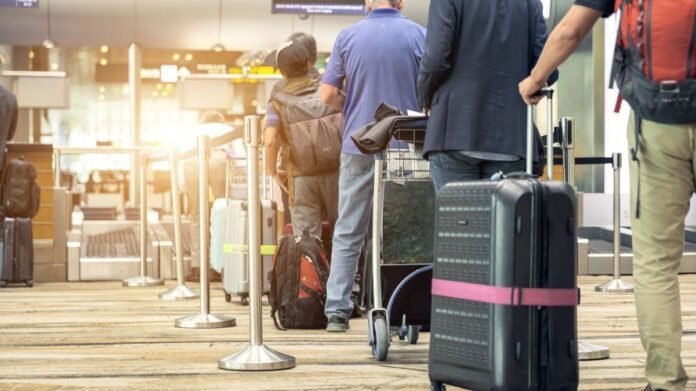
The rising costs associated with the Iran conflict may have impacted your summer vacation plans. Concerns about increased holiday expenses due to potential disruptions in aviation and fuel markets are on the rise. These uncertainties could lead to higher airfares and longer flight routes to avoid conflict zones, ultimately affecting holiday prices.
Stephen Kennedy, Director at Defaqto, highlighted how conflicts involving Iran can disrupt aviation and energy markets, directly influencing holiday costs. Airspace closures and geopolitical tensions often result in longer flight paths and heightened fuel expenses, contributing to broader inflation within the travel industry.
Apart from holiday expenses, energy bills are also expected to surge this summer as wholesale costs increase. The Ofgem price cap, which recently dropped to £1,641 for a typical dual fuel household, is anticipated to jump to £1,929 annually in July, marking an 18% rise from April’s cap.
Moreover, the cost of refueling a standard 55-liter family car with diesel has exceeded £100, with diesel prices reaching 184.20p per liter and unleaded petrol at 153.68p per liter. This surge is linked to escalating oil prices following the disruption at the Strait of Hormuz, where around 20% of global oil and gas transit is typically facilitated.
To combat these escalating fuel prices, the government has advised drivers to utilize third-party fuel-price comparison apps and websites to save money. As oil prices continue to fluctuate, it remains essential for consumers to stay informed and proactive in managing their travel and energy expenses.