
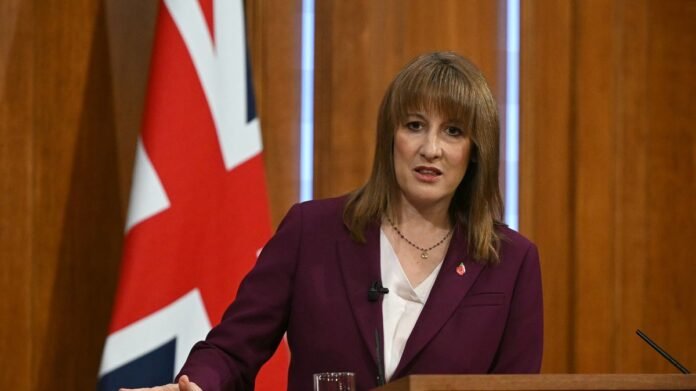
Rachel Reeves made a significant announcement preparing the ground for the upcoming Budget in three weeks. While lacking specifics, the message conveyed had a profound impact on the overall scenario at this stage.
Following a previous tax-raising Budget that was thought to be a one-time event, the Chancellor’s recent speech hinted at possible additional tax hikes. These potential manifesto deviations are likely to be met with mixed reactions from the public.
Reeves is taking a calculated risk by suggesting that further tax contributions are necessary for the country’s well-being, public services, and financial stability. The outcome of the upcoming general election and future economic landscapes may hinge on whether her strategy proves to be effective.
Although the Chancellor avoided explicit references to certain matters in her speech, recent discussions have been pointing towards an imminent Budget that may include more tax increases rather than extensive spending cuts, ruling out a return to austerity measures seen during the Tory era.
The Labour Party’s manifesto had promised not to increase taxes on working individuals, emphasizing a commitment to avoid raising National Insurance, Income Tax rates, or VAT. However, changes in economic conditions have prompted a reevaluation, with experts suggesting that adjustments to these major tax sources might be inevitable.
The potential scenario includes adjustments to the Personal Allowance thresholds and various tax bands, with projections indicating substantial revenue increases. Nonetheless, such changes are likely to face scrutiny and public resistance due to their direct impact on individuals’ finances, especially amid rising living costs.
Discussions also revolve around potential modifications to National Insurance contributions and Value Added Tax rates, with considerations for balancing revenue generation and consumer affordability. Any decision to alter these tax parameters could have ripple effects on inflation rates and household expenses.
Reeves has emphasized the challenges posed by escalating energy and food prices, hinting at possible measures to alleviate the financial burden on families. Proposals to shift certain levies from utility bills to general taxation have been put forward to address cost-of-living concerns and mitigate inflationary pressures.
Various speculations are circulating regarding pension policies and gambling duties, indicating a broader scope of potential changes that could impact different sectors of the economy. The evolving fiscal landscape underscores the need for strategic decisions to navigate financial challenges and sustain economic stability.