
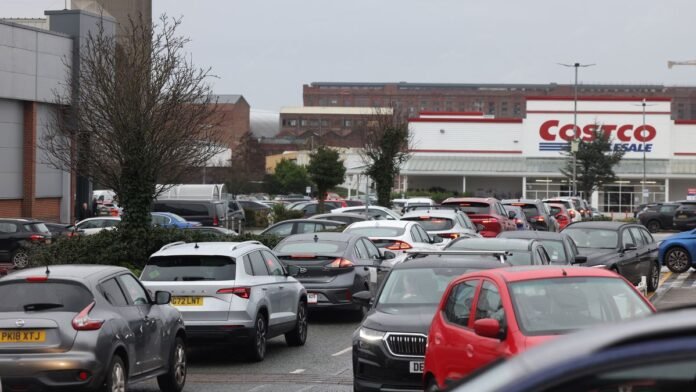
Drivers are being advised against panic buying as queues start forming at certain fuel stations. Some motorists are taking precautions by filling up their tanks in response to the surge in oil prices due to escalating tensions in the Middle East. Concerns are arising about potential disruptions in oil and gas shipments through the key Strait of Hormuz amid the conflict involving Iran.
An Iranian official has issued threats regarding the passage through the waterway as tensions with the US and Israel persist. The price of Brent crude oil has risen to $82 per barrel, leading to speculations of possible price hikes at fuel stations.
There are reports of fuel shortages at some garages, but it remains uncertain whether this is due to increased demand or unrelated supply issues. Experts from motoring groups like the AA and RAC emphasize that there is no immediate need for drivers to change their refueling habits. They suggest that any price impacts may take time to reflect at the pumps, especially with the approaching decrease in fuel consumption typical of spring.
Despite recent drops in average petrol prices, ongoing geopolitical events could reverse this trend. Price variations exist across regions, with some areas experiencing significantly higher costs than others. Efforts by the government to regulate pricing margins at petrol stations aim to provide transparency to consumers seeking the best deals.
Interactive tools are available to track fuel prices at nearby stations. Global shipping rates for oil and gas have surged due to the conflict, particularly affecting transportation through the vital Strait of Hormuz. The AA president anticipates further price increases at the pumps in the coming weeks as global oil distribution disruptions persist.