
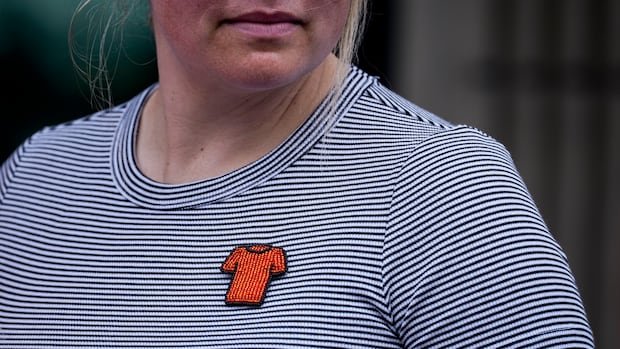
In Milton, Ontario, a murder trial involving two women from Burlington who were sentenced to life in prison for the murder of an Indigenous boy they were attempting to adopt has brought attention to the ongoing challenges in Indigenous child welfare in Ontario, according to Halton Indigenous advocate Jody Harbour. The trial has sparked concerns about the child protection system, highlighting the urgent need to address systemic issues, such as reducing the number of Indigenous children in care and fostering closer collaboration with Indigenous groups and families to ensure appropriate care.
During the trial and sentencing, Indigenous community members, including Jody Harbour from Grandmother’s Voice, gathered in Milton to support the boys’ family and bear witness to the proceedings. The case involved the death of L.L., the older boy, in December 2022, at the hands of his prospective adoptive parents, Brandy Cooney and Becky Hamber, who were convicted of his murder by Superior Court Justice Clayton Conlan in May.
The boys, L.L. and his younger brother J.L., entered the child protection system in their toddler years due to undisclosed concerns about their home environment. Despite receiving numerous reports raising concerns about the treatment of the boys by Cooney and Hamber, the Halton Children’s Aid Society (CAS) failed to conduct unannounced home visits or interview the boys independently as required.
Following L.L.’s tragic death, both CAS agencies involved conducted reviews and implemented undisclosed changes. Harbour, an advocate for urban Indigenous communities, emphasized the importance of frontline workers understanding “Indigenous ways of knowing” to effectively support Indigenous children in care. She highlighted the need for cultural trauma training for workers to better assist urban Indigenous individuals.
Harbour’s organization has been collaborating with local frontline organizations, including Halton CAS, to drive change in honor of L.L. She stressed the importance of reconciliation and collective efforts to create a safer environment for Indigenous children within the child welfare system. The trial has underscored the urgency of implementing key recommendations from the Truth and Reconciliation Commission of Canada to address systemic failures in the child welfare system.
Moving forward, advocates and community members are calling for structural changes and increased government action to prevent further tragedies and ensure the safety of Indigenous children in care. The case has prompted a reevaluation of the role of Children’s Aid Society agencies and the need for a comprehensive overhaul of the child welfare system to prevent similar incidents in the future.