
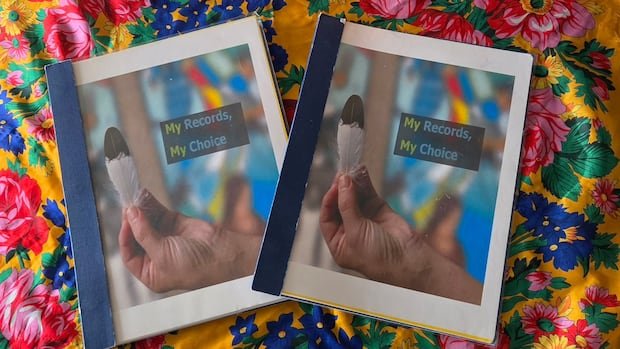
Geraldine Shingoose, a survivor of the Muskowekwan Indian Residential School in Saskatchewan, experienced a heart attack while recounting her abuse at the school during testimony. She revealed the extent of her trauma for the first time in the Independent Assessment Process (IAP) under the Indian Residential School Settlement Agreement, years after her time at the school. The Supreme Court of Canada’s decision in 2017 stipulated that over 38,000 records of residential school testimonies collected through the IAP would be destroyed by 2027 unless survivors opt to preserve their own accounts.
The potential destruction of these records has sparked mixed reactions among survivors and those involved in the process. Some argue for the preservation of the records as vital to Canadian history, while others support their destruction to honor the confidentiality promised to survivors during their testimonies. Shingoose expressed shock and dismay upon learning that her personal account could be erased, feeling that her truth was being discarded.
The contentious issue revolves around the promise of privacy and confidentiality made to survivors during the compensation assessment process. Some, like Shingoose, advocate for the preservation of IAP records as crucial historical documentation, highlighting the importance of sharing these stories. However, others, such as former Assembly of First Nations national chief Phil Fontaine, have requested the destruction of their records, citing privacy concerns and the potential for perpetuating intergenerational harm.
Confidentiality was a cornerstone of the IAP process, with promises made to claimants that their files would not be maintained. The revelation of the planned destruction of these records has raised questions about whether survivors have been adequately informed of their options. The National Centre for Truth and Reconciliation reported that only a small fraction of claimants have requested their records to date, prompting concerns about awareness and informed decision-making among survivors.
Investigative journalist Connie Walker, leading the Indian Residential School Records Project, emphasizes the importance of giving survivors agency over their records. Her personal connection to the issue, stemming from her father’s residential school history, underscores the transformative power of accessing these records for understanding and healing intergenerational trauma. Interested survivors can take steps to preserve their testimonies online.
The debate surrounding the preservation or destruction of IAP records reflects the complex interplay between historical documentation, privacy rights, and the legacy of residential school trauma in Canada.