
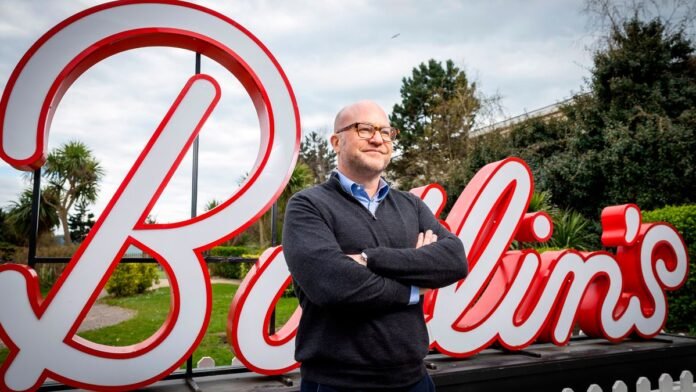
The head of Butlin’s has cautioned about the challenge of controlling prices amidst a cost increase leading to potential job cuts. Jon Hendry Pickup pledged to uphold the holiday camp’s long-standing commitment to providing value for customers, a principle established by founder Billy Butlin 90 years ago.
Acknowledging rising expenses and the potential impact of global conflicts, such as the Middle East conflict, he highlighted the growing difficulty in maintaining affordability. Furthermore, he expressed concerns about a proposed tourist tax that could force Butlin’s to shut down during term time, affecting families who enjoy affordable breaks starting at £39.
Speaking to the Mirror on the occasion of Butlin’s first site opening in Skegness in 1936, Hendry Pickup emphasized the brand’s historical significance as a beloved British seaside institution with multiple seaside camps at its peak. Despite facing challenges from budget foreign holidays, Butlin’s has evolved with significant investments in modern accommodations and amenities.
Hendry Pickup emphasized that the essence of Butlin’s appeal remains consistent, providing families with a wide array of engaging activities to foster quality time spent together. Amidst a trend of late bookings driven by economic uncertainties, he highlighted the importance of offering comprehensive packages to cater to varying budgetary needs.
Despite escalating operational costs, including national insurance hikes and minimum wage increases, Butlin’s remains optimistic about its summer bookings and the potential for a staycation surge due to soaring jet fuel prices affecting overseas travel expenses. While the company anticipates hosting 1.5 million guests this year, efforts to manage costs and enhance customer experience remain top priorities.
With a focus on inclusive offerings and affordable deals like the Showtime mid-week breaks, Butlin’s aims to provide accessible holiday options for families. However, concerns linger over the impact of potential tourist taxes on affordability and visitor numbers, prompting discussions on the implications for both the business and its patrons.