
Starting November 1, Canada’s time zones will undergo some changes, particularly in Nunavut.
With Manitoba, Alberta, and the Northwest Territories opting out of daylight saving time, Nunavut’s Kitikmeot region will adopt the same time as Yukon.
Conversely, the Kivalliq region will align its time with the Northwest Territories.
As a result, both regions will find themselves out of sync with their neighboring provinces and territories, despite their proximity.
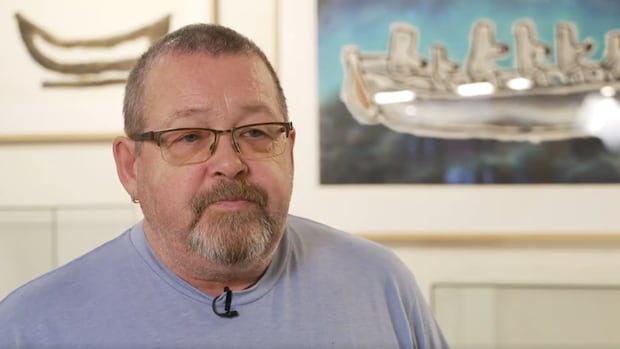
“This is definitely a concern for us,” stated Fred Pedersen, MLA for Cambridge Bay. “We depend heavily on trade with Alberta and the Northwest Territories. We have always shared the same time zone, and this will be the first year that we won’t.”
Effects on flights and travel
What are the implications when your neighbor’s time no longer matches yours?
Joe Savikataaq, the mayor of Arviat in the Kivalliq region, expressed concerns about the potential for confusion regarding flight schedules and medical appointments, as many residents travel to Winnipeg for healthcare.
“The majority of people in Arviat are worried about our links to Manitoba,” he noted. “All our medical patients who travel there rely on that connection, and now we face an hour time difference.”
Due to this time change, Pedersen remarked that a revised flight schedule will be necessary.
“Now, the situation will be somewhat different,” he commented. “The flights might now appear as if they are only one hour long or something similar due to the time adjustment.”

Gjoa Haven Mayor Raymond Quqshuun Sr. mentioned that residents often travel to Edmonton or Yellowknife for medical reasons, and the shift in time zones could disrupt those plans. (Samuel Wat/CBC)
Raymond Quqshuun Sr., the mayor of Gjoa Haven in the Kitikmeot region, remarked that residents prefer to remain in the same time zone as their neighbors.
“Everyone in my community expresses a desire to stick with the N.W.T. and Alberta time since we conduct a lot of medical business with them, regularly, monthly, and yearly,” he stated.
Nunavut may eliminate daylight saving time
During a recent Kitikmeot mayors forum, a resolution was proposed to abolish the time change.
Pedersen mentioned that he has not yet reviewed the resolution but intends to present it at the next legislative assembly meeting. He is optimistic about the potential to end the time change this year and along with other Kitikmeot MLAs, will inquire about the feasibility.
“We will raise this matter with the minister again, hoping that the Nunavut government can pass legislation before November 1,” Pedersen stated.
In an email, Nunavut’s Justice Minister George Hickes indicated that the Department of Justice is evaluating the possibility of discontinuing the time change, noting that the review process is intricate and may take several months.
Currently, no decision has been reached.
Nonetheless, Savikataaq believes that it is time to move away from seasonal time adjustments.
“Every time we change the clock twice a year, it creates confusion about what time it is and what your local time is,” he said. “While it’s becoming easier due to cell phones, people still don’t want to deal with the changes.”
The annual time change in Nunavut is scheduled for November 1.