
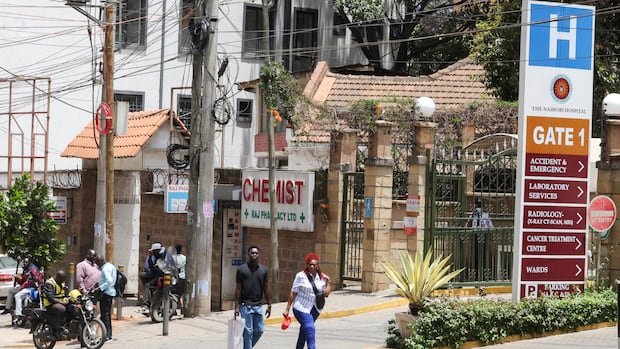
Kenyan officials affirmed on Tuesday that Kenya has reported its first case of Ebola, imported from the Democratic Republic of Congo. The infected Kenyan citizen arrived in the country from Congo via Uganda on Saturday and was admitted to Nairobi Hospital, where he tested positive for Ebola and passed away on Monday night.
Ebola, known for its high contagiousness, spreads through contact with bodily fluids like blood, vomit, or semen, as well as contaminated surfaces and materials such as clothing and bedding. The current outbreak, which began in mid-May after spreading in a remote area of eastern Congo, has resulted in over 8,400 cases and more than 4,000 deaths, marking it as the most rapidly escalating Ebola outbreak in history.
Prior to this incident, Kenya had not experienced any Ebola outbreaks, as stated by the Kenya Medical Research Institute. Health Minister Aden Duale mentioned that Kenya has trained close to 5,000 health workers nationwide on Ebola prevention and management, ensuring preparedness for such cases.
Kenya becomes the fourth country impacted by the ongoing Ebola outbreak, following Uganda with 20 cases and France with one. Health authorities in Kenya have heightened surveillance at border points and are vigilant for any potential additional cases.
In response to the confirmed case, 28 contacts, including family members and healthcare workers who attended to the patient, have been identified, with 23 passengers from the same flight also under tracing measures. These contacts will undergo a 21-day isolation period and will only be released upon testing negative for the virus.
The situation in Congo remains challenging, with the outbreak spreading to seven provinces. Responders face obstacles such as attacks on health teams, misinformation, failure to report symptoms by locals, and rebel violence hindering access to treatment centers.
As the outbreak persists in Congo, concerns grow that it may surpass the deadliest Ebola outbreak in history, which occurred over a decade ago in West Africa, claiming around 11,000 lives.