
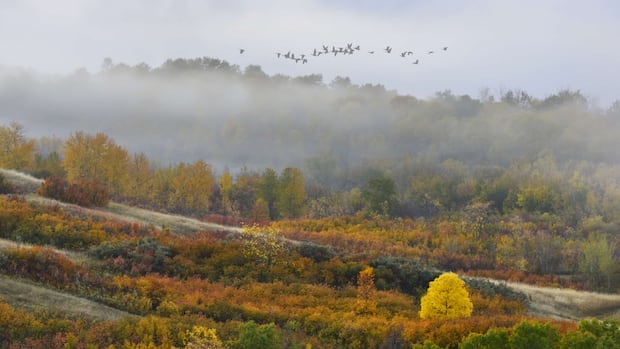
The majority of leaves in Saskatchewan have now fallen following a week of strong winds and chilly weather that swept across the province.
However, this autumn, the vibrant red, orange, and yellow foliage lingered longer than usual. Veteran photographer John Perret from Saskatchewan has observed a notable change.
“The weather has been somewhat different this year, allowing the colors to last longer until the 90-kilometre winds arrived last weekend,” he stated.
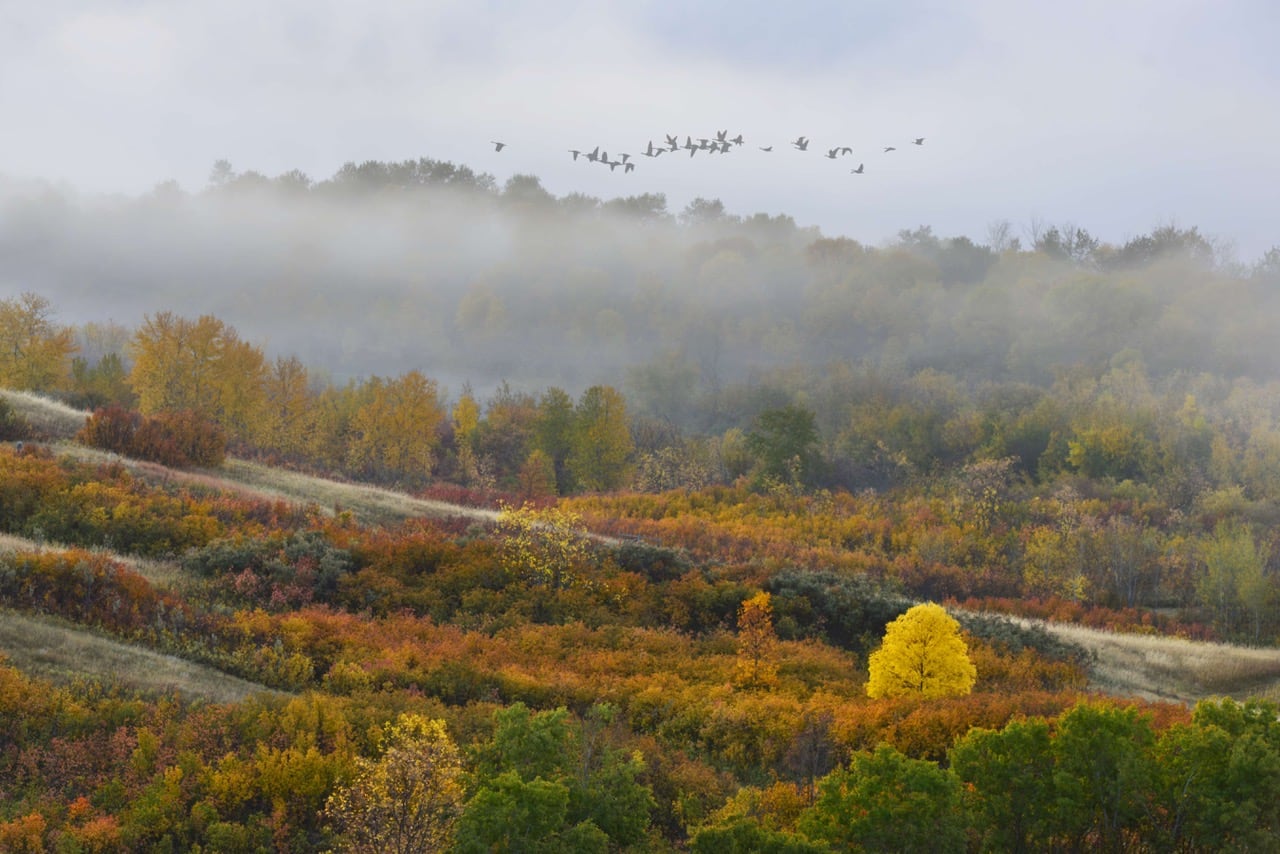
Saskatchewan photographer John Perret has observed a delay in the peak of autumn colors, which typically occurs in late September and early October. (Submitted by John Perret)
Based in Saskatoon, Perret has been photographing fall scenes in the province for many years. Although the colors can change from year to year, he mentioned that peak autumn colors typically happen in the latter part of September and the first few weeks of October.
This year, however, the foliage persisted longer in Saskatchewan, showcasing shades of orange and yellow well into late October. In some instances, certain trees still retained their leaves on October 28, despite the recent winds and snowfall.
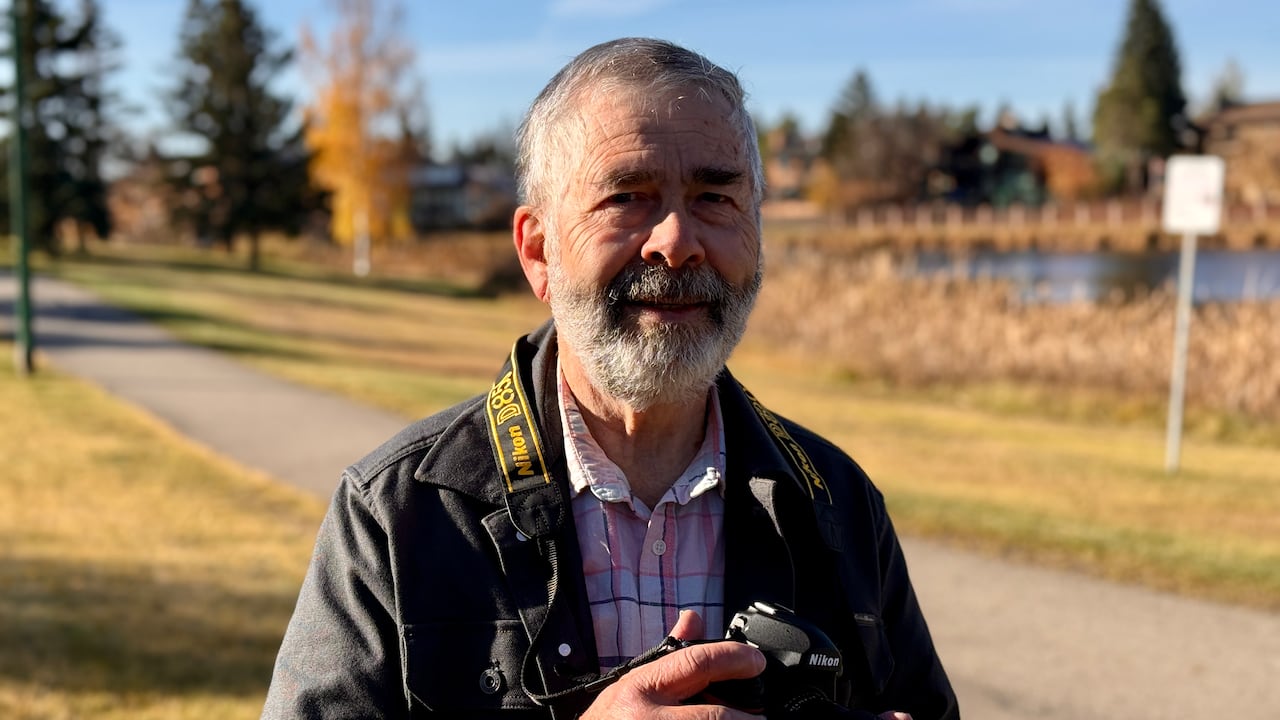
Landscape photographer John Perret has documented landscapes for decades and noted that the autumn leaves have stayed on longer this season. (Travis Reddaway/CBC)
What contributed to the extended leaf retention?
Raju Soolanayakanahally, a research scientist at Agriculture and Agri-Food Canada, affirmed that leaves have remained longer this year, a phenomenon not limited to Saskatchewan.
“This year, we are indeed witnessing prolonged leaf retention across most of the Prairies and throughout Canada,” he remarked.
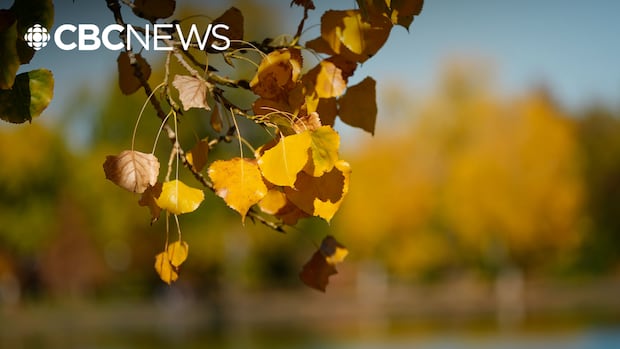
Before the recent winds and snowfall, leaves were clinging to trees in Saskatchewan longer than usual this autumn. A research scientist indicates that this pattern was seen across much of Canada this fall, partly due to El Niño.
“Trees are retaining their leaves for a significantly longer duration.”
According to Soolanayakanahally, the ongoing emergence of the super El Niño in the equatorial Pacific is a contributing factor.
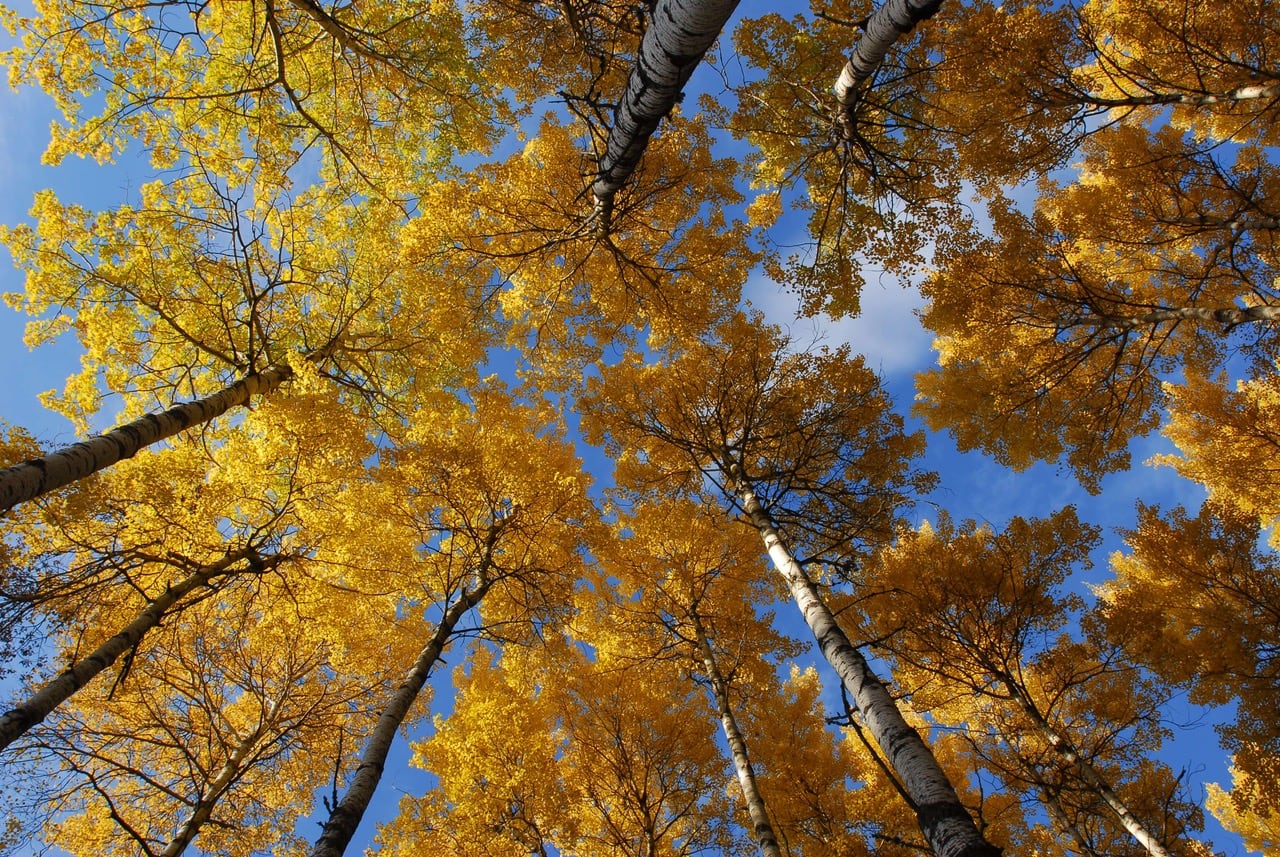
Photographer John Perret notes that, in addition to the later peak of autumn leaves this season, their brightness was less vibrant compared to previous years. (Submitted by John Perret)
“The warm waters in the Pacific have caused temperatures to remain high, preventing nighttime frosts from damaging the leaves. Therefore, they stay on the trees longer,” he explained.
“This phenomenon has facilitated a gradual emergence of fall colors, whether in the form of yellow on aspens, carrot hues, or reds.”
The science of leaf color change
During spring and summer, chlorophyll, the chemical responsible for absorbing red and blue light from the sun, fuels photosynthesis. This process results in the green pigment found in leaves.
As fall brings shorter days and cooler temperatures, the production of chlorophyll ceases as trees prepare for winter, Soolanayakanahally noted.
“In this phase, the green pigment, known as chlorophyll, degrades, allowing other pigments like carotenoids to surface,” he explained. “The yellow pigment comes from xanthophylls, while the orange hue is due to beta carotene. These pigments become more prominent.”
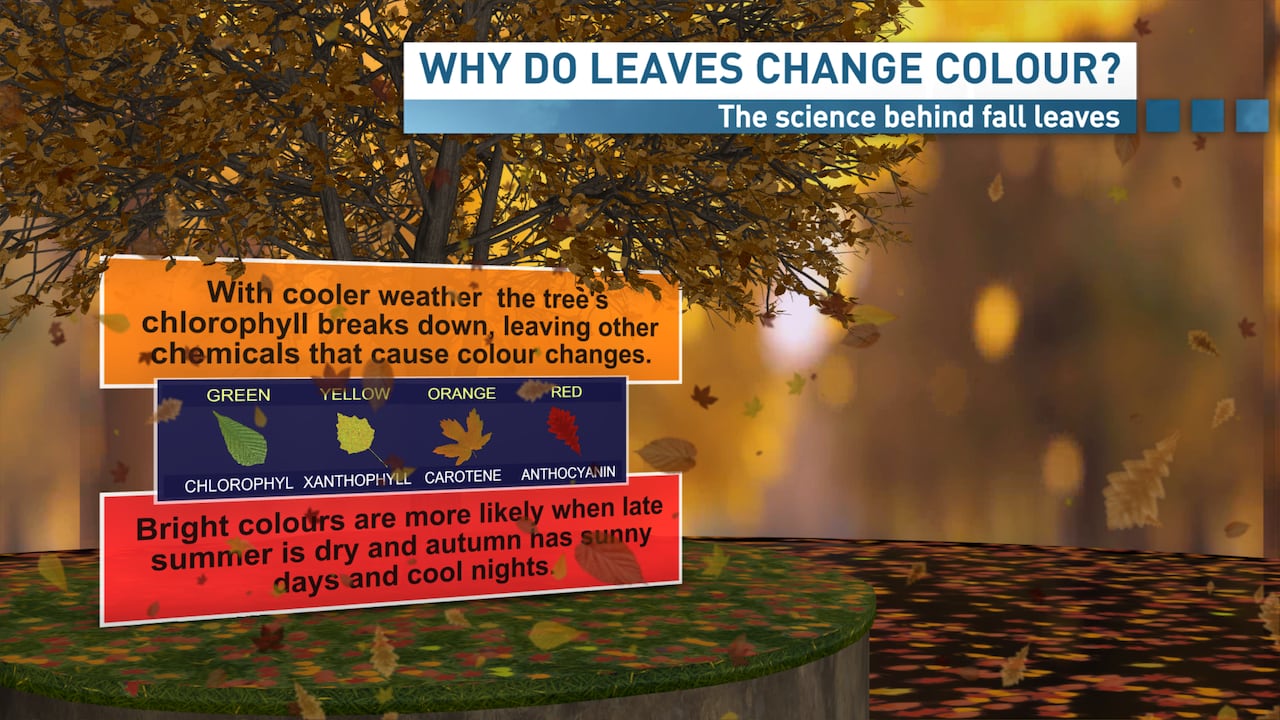
Once chlorophyll production halts, leaves lose their green pigment and reveal red, orange, and yellow hues from other chemicals. (CBC)
While weather conditions can influence when leaves fall each year, they also affect the vibrancy of the colors.
Typically, fall foliage is more vivid when the end of summer is dry and the fall season is sunny, with nights that do not experience damaging frosts.
Perret, who has also captured beautiful autumn colors in New England, remarked that Saskatchewan’s distinctive landscapes and brilliant colors create stunning visuals.
“There’s nothing quite like enjoying the fall in pleasant weather while taking photographs,” he stated.
“Even if you’re not snapping photos, just take a stroll and appreciate the colors and all that autumn has to offer.”